
I have flown dragons and saved nations. I have built armies of orcs to conquer the realm. I have flown through the stars and discovered new species. I have experienced all these grandiose feats without mind altering drugs and that is through gaming.
Gaming is a part of everyday life in the modern age. Over half of the population plays games. Through gaming individuals can foster friendships and build meaningful connections with likeminded people.
When I interviewed the manager at Turn 1 Gaming, Travis said, “You get out and mingle with other people, it’s really healthy for people with not a lot of friends.” Travis has prided himself on building a healthy community of gamers where they can build the social connections for likeminded individuals.
Through gaming people are able to foster a healthy social life while simultaneously doing something they enjoy, but why do people like to play games? When you look at gaming, you first must look at what motivates a person to participate in this hobby.

To do this you have to understand Mihaly Csikszentmihalyi’s theory of flow and the concept of work. When a person plays a game, they are developing small goals to accomplish while playing games this can be expressed as a series of quests in a video game or gathering the right cards for a strategy in a card game. These small micro goals are a form of work which a person has an intrinsic need to do.
This is a psychological need in humans and helps them feel a feeling of accomplishment. This feeling leads into happiness and shows the driving force behind the joy experienced when a person is playing games.
Next is Csikszentmihalyi’s concept of flow theory. Flow theory is defined as a state of mind where an individual completes a set of goals with immediate feedback and adjusts their actions to this feedback. This is a constant battle of fear and boredom. A person in the state of flow according to Nakamura and Csikszentmihalyi is operating at peak efficiency with the constant feedback loop. “If challenges begin to exceed skills, one first becomes vigilant and then anxious; if skills begin to exceed challenges, one first relaxes and then becomes bored” stated Nakamura and Csikszentmihalyi.
This shows how the theory of flow must be initiated for a person to love or enjoy playing a game. With things such as card or boardgames these concepts are applied at regular intervals. Through these feelings of flow and work people are able to forge social connections with similar interests and experience flow together.
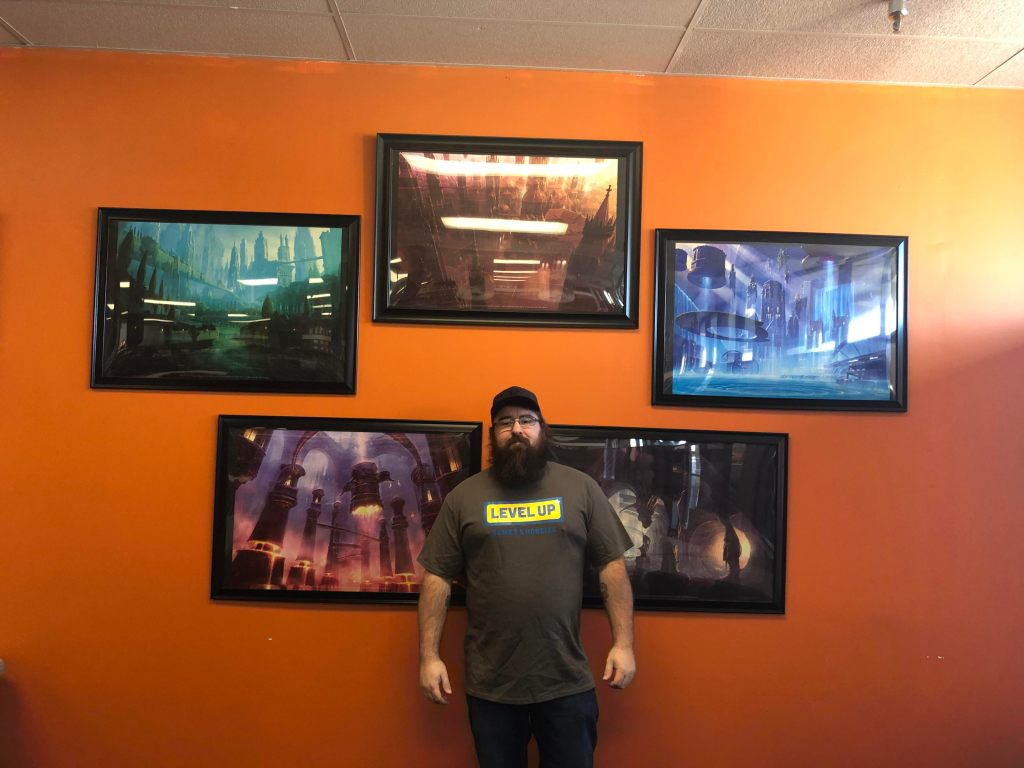
Overall gaming is a social experience whether it is in person with card or boardgames or online across nations with video games. Games are designed to make you feel happy and establish a sense of community. It is not only healthy in a singular sense, but also in a community. As Travis said, “The most important thing is having fun.”
Nakamura, J., & Csikszentmihalyi, M. (2014). The Concept of Flow. In Flow and the Foundations of Positive Psychology (pp. 239–263). https://doi.org/10.1007/978-94-017-9088-8_16
 Good Game Gene